
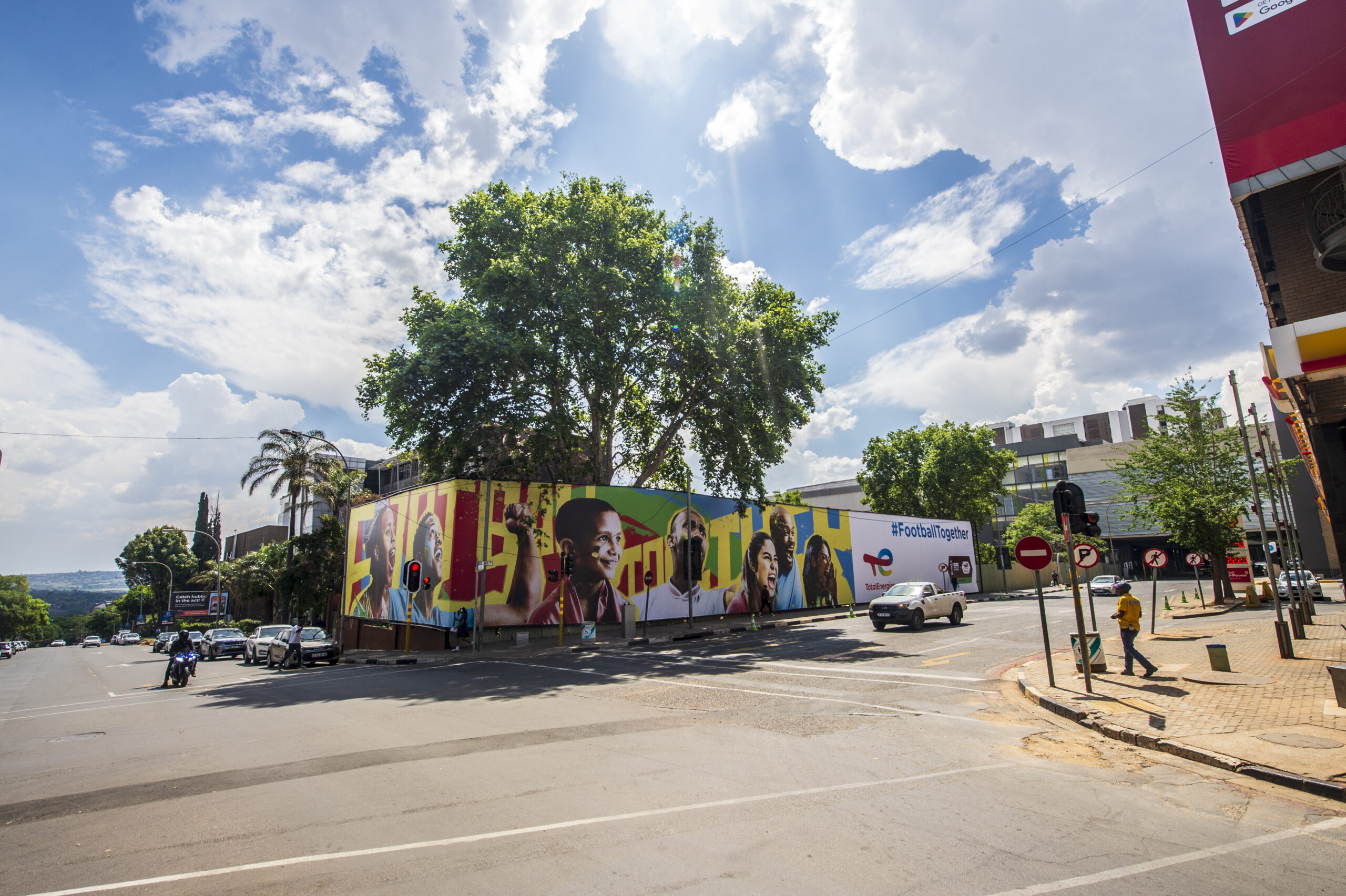
In a media landscape defined by constant change, the fundamentals of effective Out-of-Home advertising remain remarkably consistent. While new technologies, formats, and platforms continue to emerge, the core principle of OOH has never shifted: the ability to communicate a powerful message in a fleeting moment.
The global MOCA (Make OOH Creative Great Again) movement has reignited an important conversation within the industry - a call to return to what truly works. At its heart, MOCA is not about rejecting progress, but about reinforcing a simple truth: impactful OOH is built on clarity, discipline, and creative strength, not complexity or excess.
At New Wave Outdoor Media, this philosophy is not a trend. It is the foundation of how we operate.
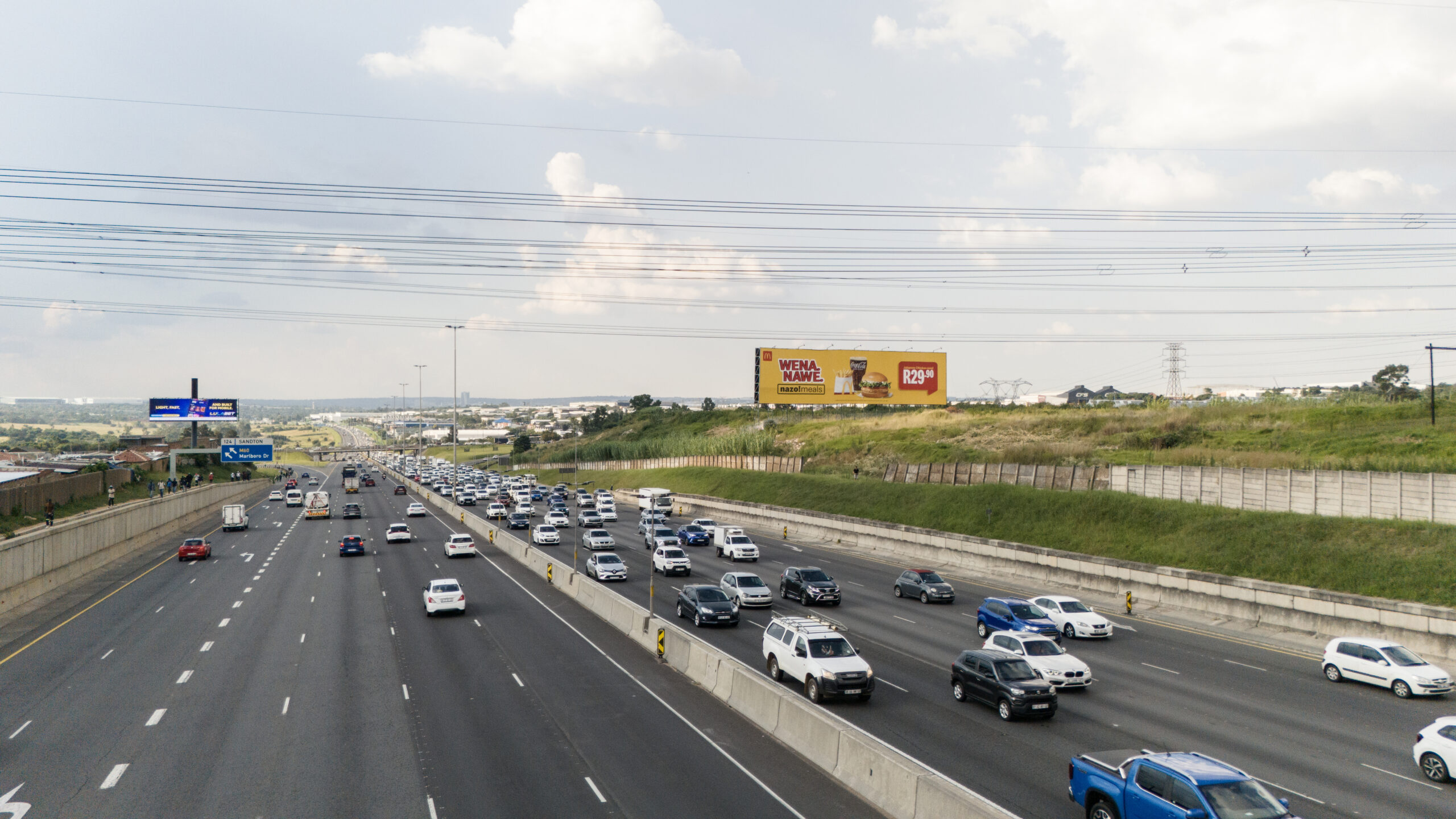
OOH has always been a medium defined by speed. A passing glance, a few seconds in transit, a single opportunity to make an impression. Yet increasingly, creative executions attempt to do too much, overcrowding the space with messaging, visuals, and competing elements. In trying to say everything, they ultimately say very little.
The most effective campaigns take the opposite approach. They strip back the noise and focus on what matters. A clear message. A strong visual. An idea that lands instantly and stays with the viewer long after they’ve passed.
This approach becomes even more critical when working within premium environments. New Wave’s portfolio is centred around large-format, high-impact billboard sites positioned in prime locations. These are not simply media placements; they are unavoidable landmarks along key commuter routes, commanding attention at scale.
With that level of visibility comes a certain responsibility. Strong sites will elevate great creative, but they will just as quickly expose weak thinking. A cluttered or unclear execution cannot hide behind scale - it becomes even more apparent.
For this reason, New Wave actively champions creative that is purposeful and disciplined. Work that is instantly legible at distance, visually striking, and anchored by a single, confident message. When creative and location are aligned in this way, the result is not just visibility, but impact.
Clutter remains one of the greatest challenges facing OOH today, both within the physical environment and within the creative itself. Oversaturation, poor placement, and overworked design all compete for the viewer’s attention, often diminishing the effectiveness of campaigns.
New Wave takes a deliberate, quality-first approach to media selection. By focusing on carefully curated sites within high-traffic corridors, the emphasis shifts from volume to visibility. Campaigns are given the space they need to stand out, rather than being lost in a sea of competing messages. This ensures that each execution has the opportunity to be properly seen and more importantly, remembered.
There is also a broader strategic consideration at play. Too often, OOH is treated as a secondary channel, an extension of an existing campaign rather than a medium in its own right. Creative developed for other platforms is simply repurposed, without consideration for the unique demands of the outdoor environment.
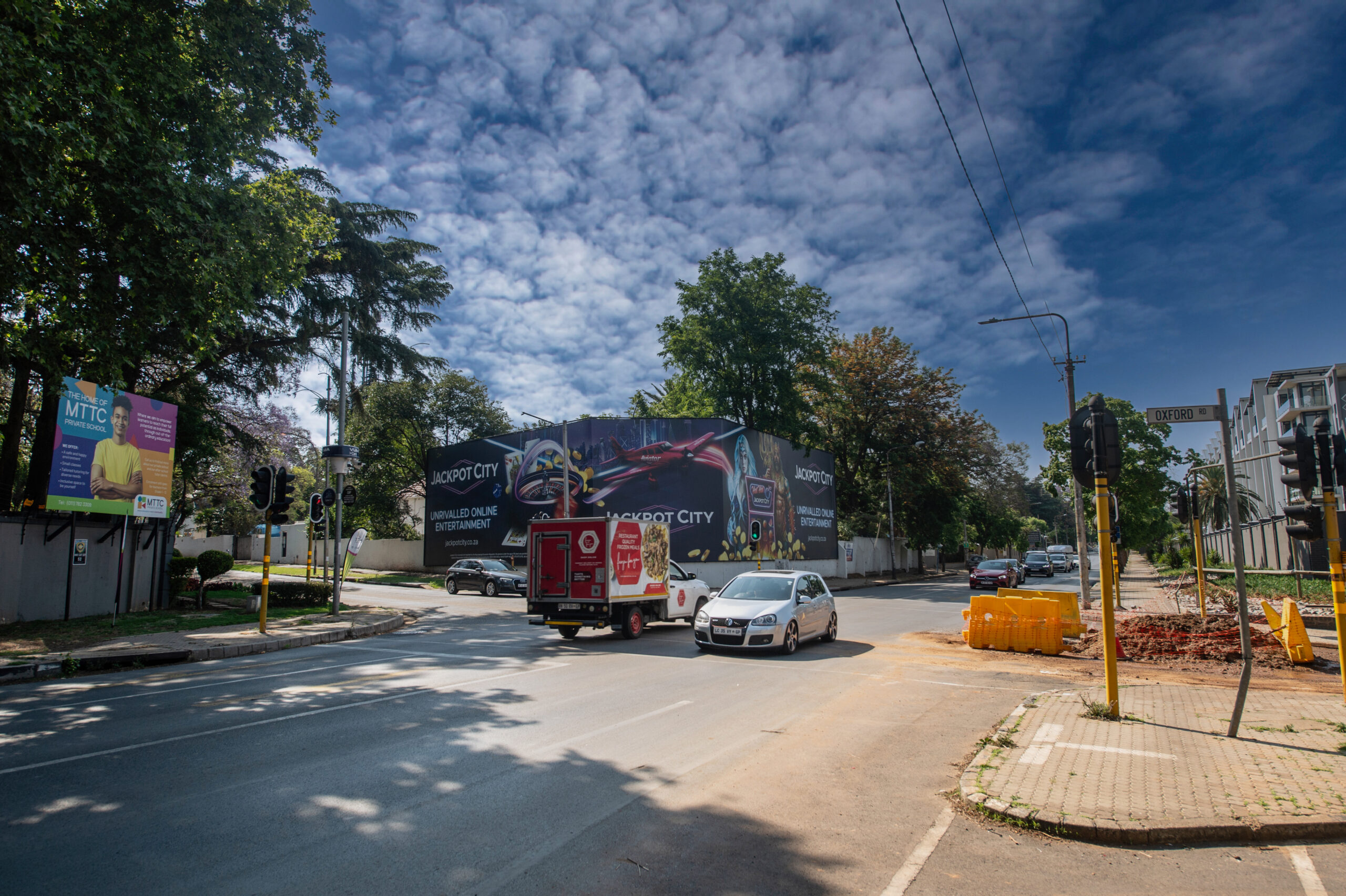
But OOH does not behave like other media. It requires faster communication, stronger visual hierarchy, and far greater creative discipline. When approached correctly, it has the ability to deliver unmatched scale and impact. When treated as an afterthought, that potential is significantly diminished.
At New Wave, the focus is on ensuring that OOH is approached with intention from the outset. By working closely with brands and agencies, the emphasis is placed on developing creative that is designed specifically for the medium, work that understands the environment it lives in and the audience it needs to reach.
The renewed attention brought about by the MOCA movement serves as an important reminder of the standards that have always underpinned effective OOH. It is not about reverting to the past, but about reasserting the principles that make the medium so powerful: respecting the viewer’s time, prioritising clarity, and delivering ideas that are instantly understood.
In an increasingly competitive landscape, visibility alone is no longer enough. Brands need presence. They need work that not only captures attention, but holds it , even if only for a moment.
This is where great OOH distinguishes itself. It doesn’t overwhelm. It doesn’t overcomplicate. It communicates with confidence and precision.
And ultimately, the brands that succeed are not those that say the most, but those that are remembered.
As the industry continues to evolve, that remains the clearest path forward.