
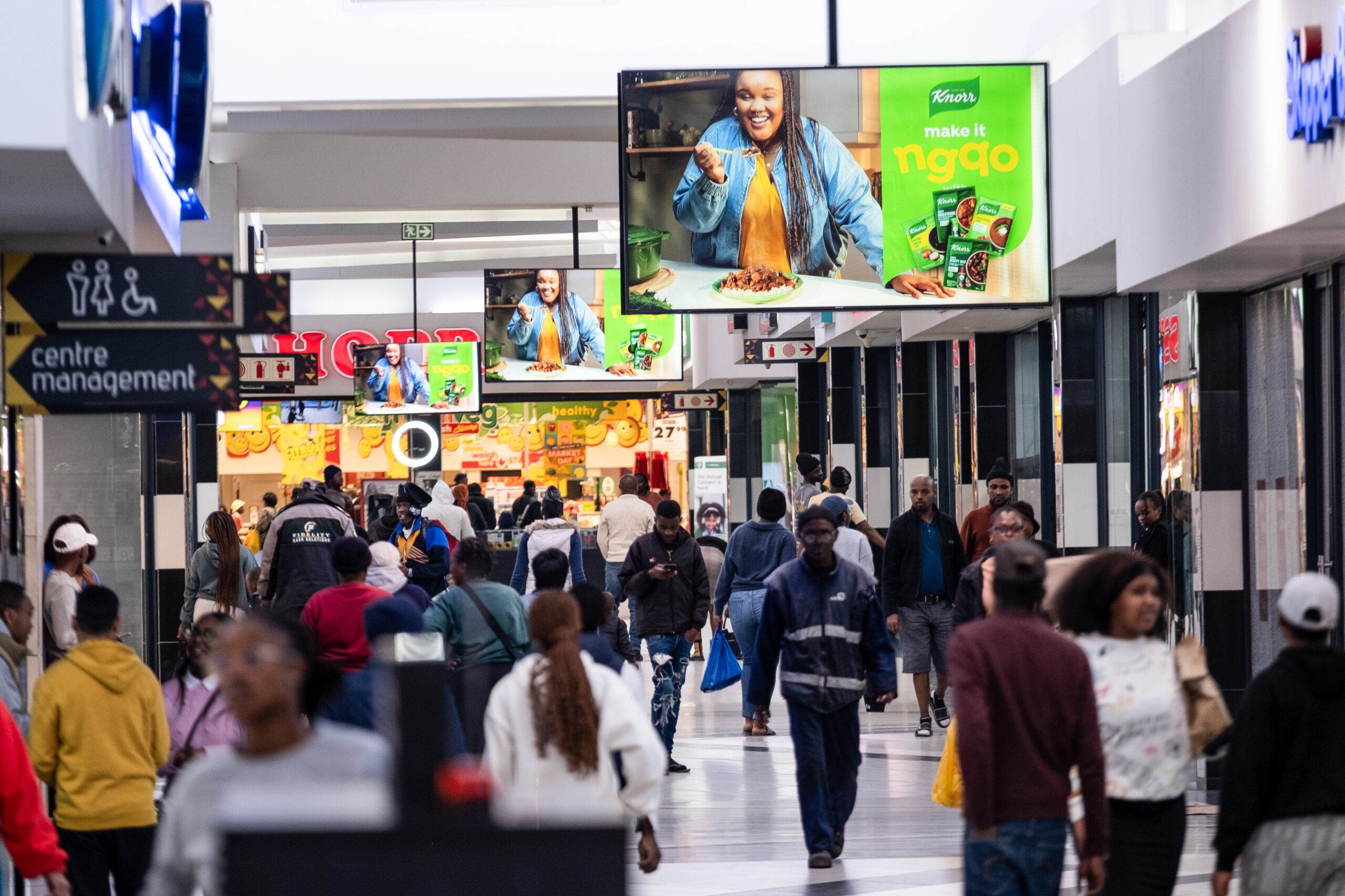
Two years ago, Provantage promised to evolve South Africa’s Digital Place-Based Networks (DPBNs) into “Everyday TV”. Through its audience measurement platform, the company has measured the movement of millions of South Africans in proximity to their DPBN screens who have routinely passed through taxi, bus or train commuter nodes, visited a main market mall or travelled by plane across cities for business or leisure.
This real-time audience measurement now offers advertisers enhanced campaign optimisation through data-driven decision making and verified reporting. Today, the conversation around DPBN is no longer about potential - it is about performance, accountability and integration. With verified audience data embedded into planning and trading systems, DPBN is no longer positioned on the periphery of media strategy, but integrated into it as a measurable, optimisable channel.
When Provantage first announced Protrack in March 2024, the industry response was cautiously optimistic. The idea was compelling: bring verified, real-time audience measurement to Out-of-Home (OOH) environments long underserved by credible data. Airports, malls, taxi ranks and other everyday environments had audience scale and contextual power, but little in the way of standardised measurement. There was, quite simply, a data void.
Today, that void has been filled and expanded on by a dataset that is reshaping how Digital OOH is planned, bought and evaluated. In a landscape where consumer attention is scarce and valuable, understanding the consumer journey and identifying which touchpoints influence decision-making enables marketers to optimise spend and improve ROI.
Audience Measurement: Then and Now
Historically, measurement was built on latent data, with updates released annually in varying formats and using inconsistent metrics. Planning relied heavily on footfall figures supplied by mall and ACSA landlords, taxi associations and other stakeholders, with insights largely drawn from third party sources. This fragmented approach limited standardisation, comparability and credibility across the medium. Protrack was then piloted across Provantage’s core DPBN environments with its initial phase focused primarily on proof of concept. The emphasis was on building confidence in the credibility of measurement, aligning methodologies to global standards and demonstrating that digital environments could be measured reliably and consistently.
Audience measurement has evolved significantly, with new effectiveness metrics such as Visibility Adjusted Contacts (VACs) and verified dwell time providing a deeper and more accurate understanding of audience engagement. This is the new language of effectiveness. When matched with retail sales or app engagement data, Out-Of-Home (OOH) becomes part of a performance ecosystem rather than a passive awareness channel.
Protrack now runs on more than 24 months of trended data, with reporting shifting from quarterly updates to monthly channel VAC releases and verified impressions available across the networks. The platform enables accurate benchmarking, clear seasonality analysis and informed predictive modelling, With digital granularity down to hourly and daily intervals, with real time insights accessible through a live dashboard, transforming audience data from a measurement tool to a strategic planning asset.
Provantage CEO Jacques du Preez says: “When we launched Protrack, the ambition was to close a credibility gap in digital place based media. Adoption in the early years was steady rather than swift, and broader industry participation took time to build as stakeholders navigated new standards and shared accountability. Today, the conversation has shifted. DPBN is no longer being debated as a medium that ‘could’ be measurable. It can now be planned, bought and evaluated using verified audience data that stands up alongside all other major media channels.”
Expansion of Measurement Across Digital Inventory, including large format digital billboards
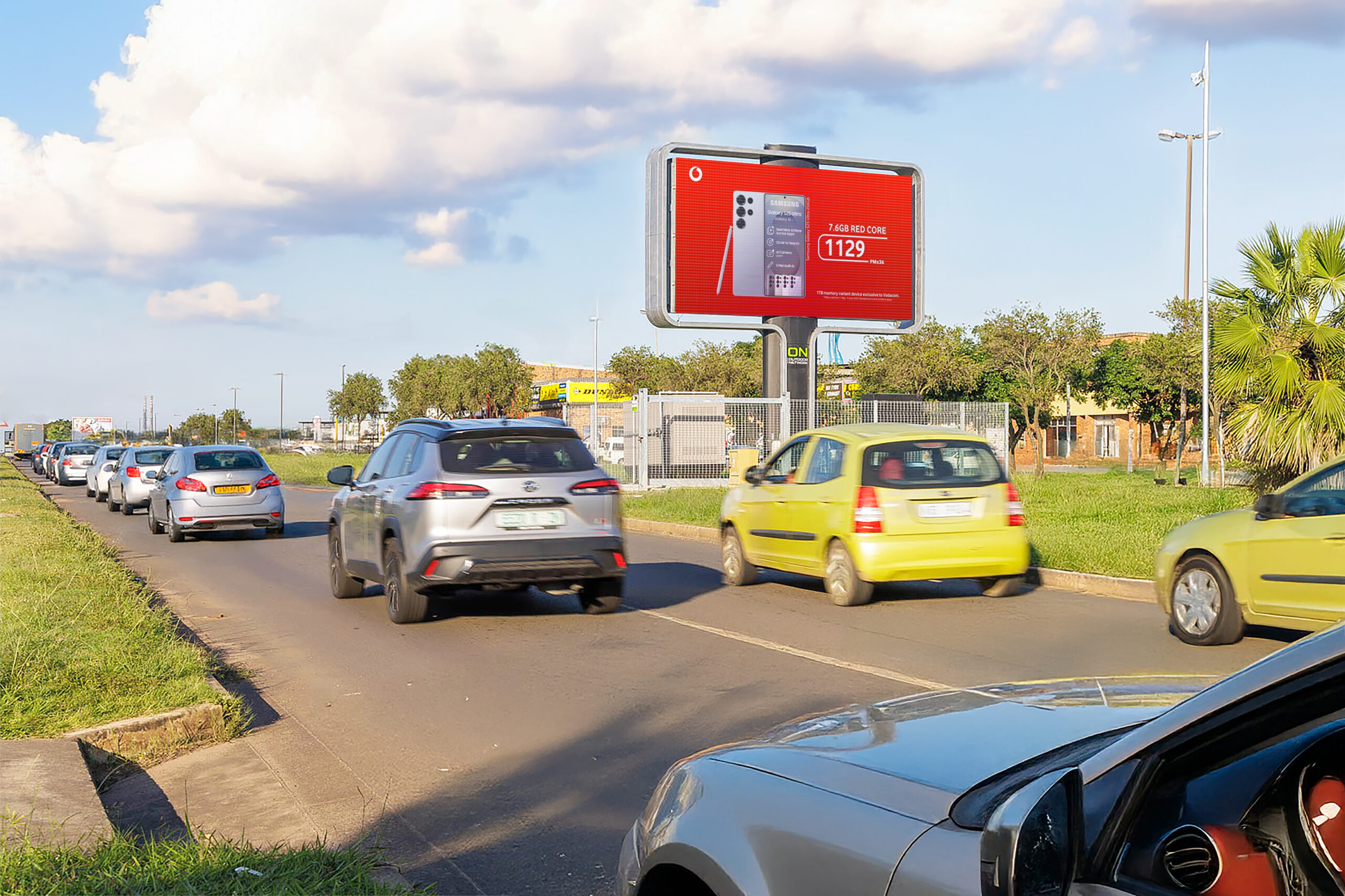
As audience measurement capabilities have matured, the application thereof has expanded across a broader digital ecosystem that includes airports, malls, commuter hubs, golf courses, roadside and retail environments. In each environment, audiences are measured in proximity to screens.
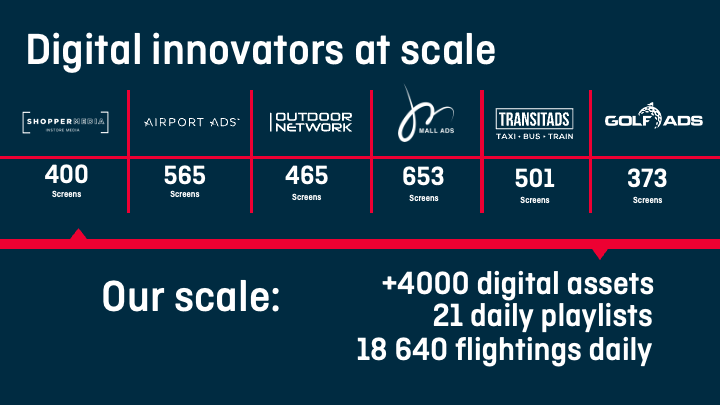
Provantage now measures the country’s largest verified dataset, spanning across its digital inventory which consists of more than 4 000 digital screens including upgrades and new installations, and 465 digital billboard faces, while static asset measurement pilots are already underway. The introduction of sensor-based tracking across large-format assets represents the next phase of measurement evolution, ensuring greater consistency and comparability across environments while strengthening alignment with international media measurement practices.
From Measurement to Media Infrastructure: Programmatic Enablement
Provantage’s programmatic journey is accelerating through its partnership with Broadsign, unlocking South African inventory to global demand while embedding verified audience measurement directly into trading workflows.
Broadsign manages content, scheduling, standardises workflow and reporting across complex OOH environments, creating consistency, strengthening compliance and operational visibility at scale. This integration aligns South African inventory with international trading, measurement and operational standards, enabling campaigns to be planned, traded and evaluated locally and globally using consistent performance metrics, all while enhancing efficiency and reliability for agencies and advertisers. As agencies increasingly move from buying loop positions to buying verified impressions, the infrastructure to support that transition is now in place.
The convergence of verified measurement and programmatic enablement represents a structural shift for DPBNs. Trading infrastructure enhances efficiency, but accountability enhances value. With audience data embedded into trading systems, campaigns can be planned, optimised and evaluated using verified impressions rather than estimated exposure.
“Verified audience measurement was always the foundation. With real-time data embedded across our digital environments, we are programmatic-ready by design. The next chapter is extending that same level of accountability into large-format static media while opening SA inventory to global buying platforms,” says Du Preez. This ensures campaigns are not only traded efficiently, but evaluated against verified audience delivery, aligning DPBN with the same performance standards expected of other digital channels.
What does this mean?
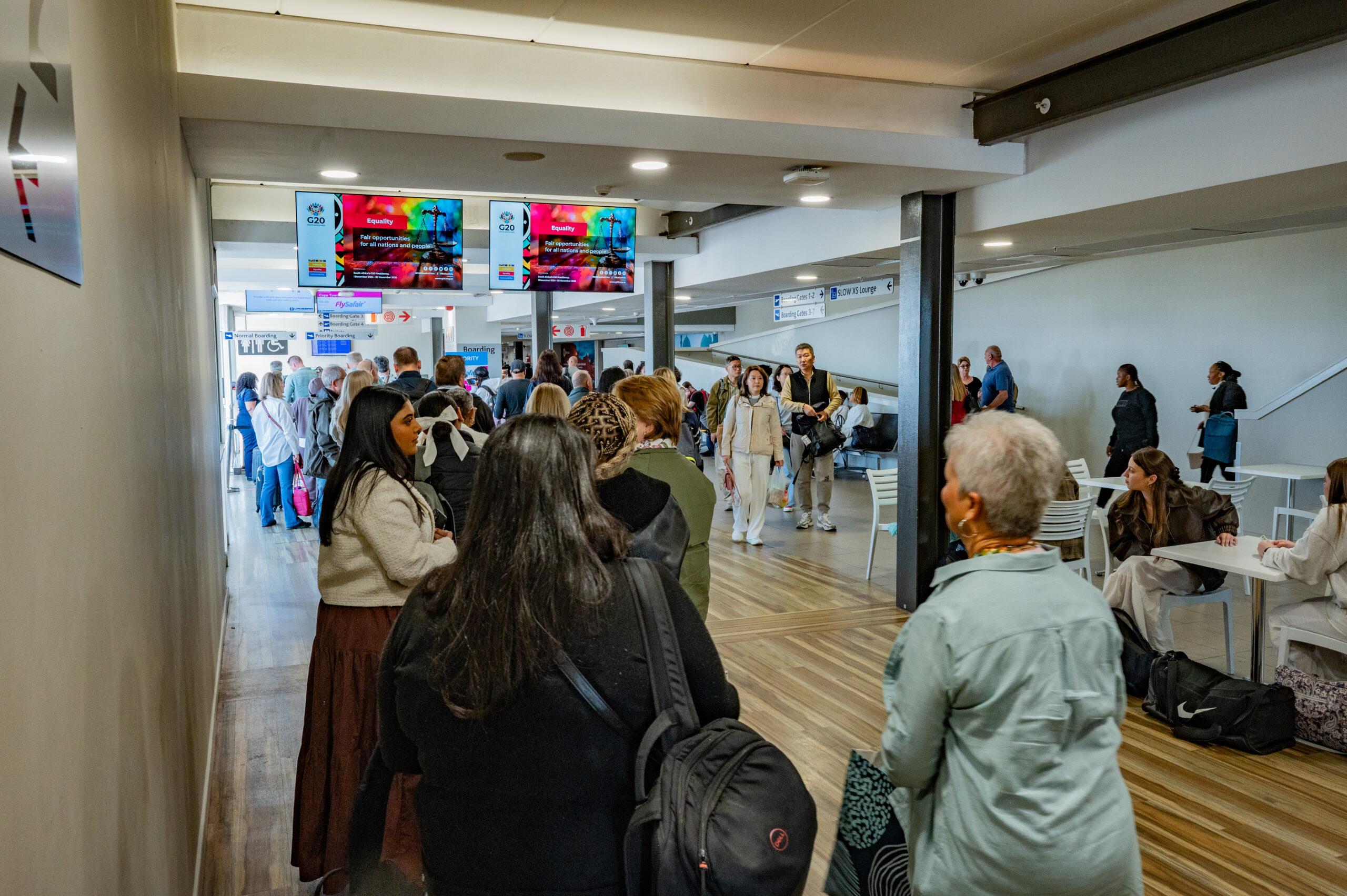
For Provantage, it establishes a leadership position built on verification. Internally, the data has driven network optimisation. Screen placement, inventory mix and content loops have all been refined based on observed audience behaviour, improving both operational efficiency and advertiser outcomes.
With two full years of trended data now available, the real value of Protrack is being realised in planning and optimisation. Seasonality patterns are revealed when environments peak. Daypart analysis shows how dwell time shifts across hours and days. In commuter environments, for example, Protrack data now quantifies important targeting information, such as that people spend 53 minutes 51 seconds in a taxi rank, are exposed to 7.66 screens in a visit with peaks during 13h00 and 18h00 pm. In malls we can see that Fridays are the highest performing day with 71 696 VACs and that Mondays, Tuesdays and Thursdays have extended dwell-time in airports.
For advertisers, this changes the conversation. It enables audience-first planning in environments that are contextually relevant and impossible to skip. This sets us up for our next phase which will allow data and traffic flows for better planning, optimisation and scheduling. Clients will soon be able to purchase targeted packages to allow for optimal planning at a time when it matters most. Campaigns can be planned around moments of maximum dwell time, not just maximum traffic. Educational or informational messaging can be aligned to longer dwell periods, while tactical retail messaging can target high-volume windows closer to purchase.
One of the most significant shifts since 2024 has been the move from measurement as validation to measurement as a creative enabler. Refreshed channels across Transit TV, Mall TV, Airport TV and Golf TV now incorporate HD screens and contextual content feeds, ranging from weather and sports to flight and travel data. These contextually relevant content segments are driving attention.
Monthly Channel VACs:
Airport Ads: Airport TV: 18,303,244 Visionet: 13,251,658
Atrium: 2,336,238
Transit Ads:
Transit TV: 47,920,067
Transit XL: 15,006,878
Mall Ads:
Mall TV: 44,964,614
iBioskop: 2,748,804
Case Study: From Screen Exposure to Pharmacy Shelf
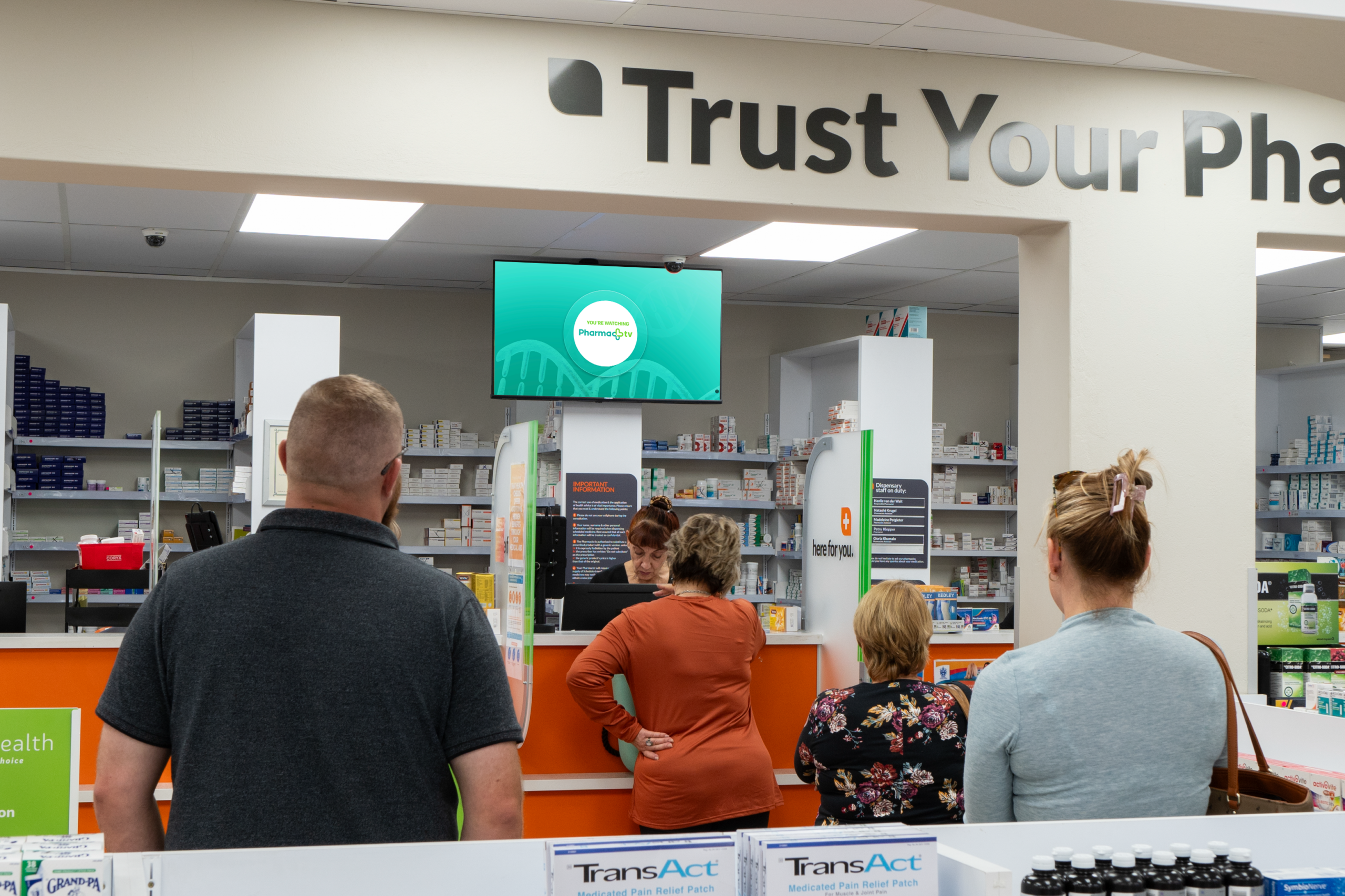
To illustrate how Protrack transforms Digital Place-Based Networks into a performance ecosystem, we analyzed the launch of two brand-new product lines: a specialised skincare brand and a new fragrance range. By matching our screen activity with wholesale data, we move beyond “passive awareness” to demonstrate a verified link between audience dwell time and retail ROI.
How Protrack Data Informs Campaign Planning
By utilizing over 24 months of trended data, we identified high-dwell environments within pharmacies where consumers are most receptive to educational messaging. Planning was centered on these “moments of maximum dwell time” rather than simple traffic counts , ensuring the creative had the necessary time to influence a purchase decision just steps away from the shelf.
Measurable Performance Outcomes
The impact of the “Data-led TV” approach was immediate and dramatic, occurring with no other promotional activity except our digital screens:
- Category-Wide Explosion: Following a flat October (-0.11%), the broader category saw Month-to-Month (MTM) growth of 133% in November and 129% in December, maintaining a 23% uplift into January 2026.
- Direct Brand Growth: While the overall category grew, the specialized skincare brand experienced a specific, dramatic uptick in sales, proving that verified audience exposure translates directly into wholesale movement.
Audience Journey Insights
Protrack’s ability to quantify dwell time and screen exposure allows us to map the final stage of the consumer journey. The data suggests our screens act as a directional catalyst:
- In a “crowded” aisle with many competing labels, the ads successfully drove customers to the shelf where they then navigated between various options.
- For a singular, niche brand with fewer direct shelf competitors, the journey from screen to basket was even more direct and visible in the data.
Impact on Creative Execution and ROI
This study proves that Digital OOH is now a “measurable performance channel”. For advertisers, this means:
- Creative Flexibility: Tactical retail messaging can be timed to high-volume windows to maximize ROI.
- Verified Accountability: Even in fragmented independent pharmacy markets, the pull-through effect of the screens is now a verifiable metric that stands up alongside major media channels.
What This Means for the Industry
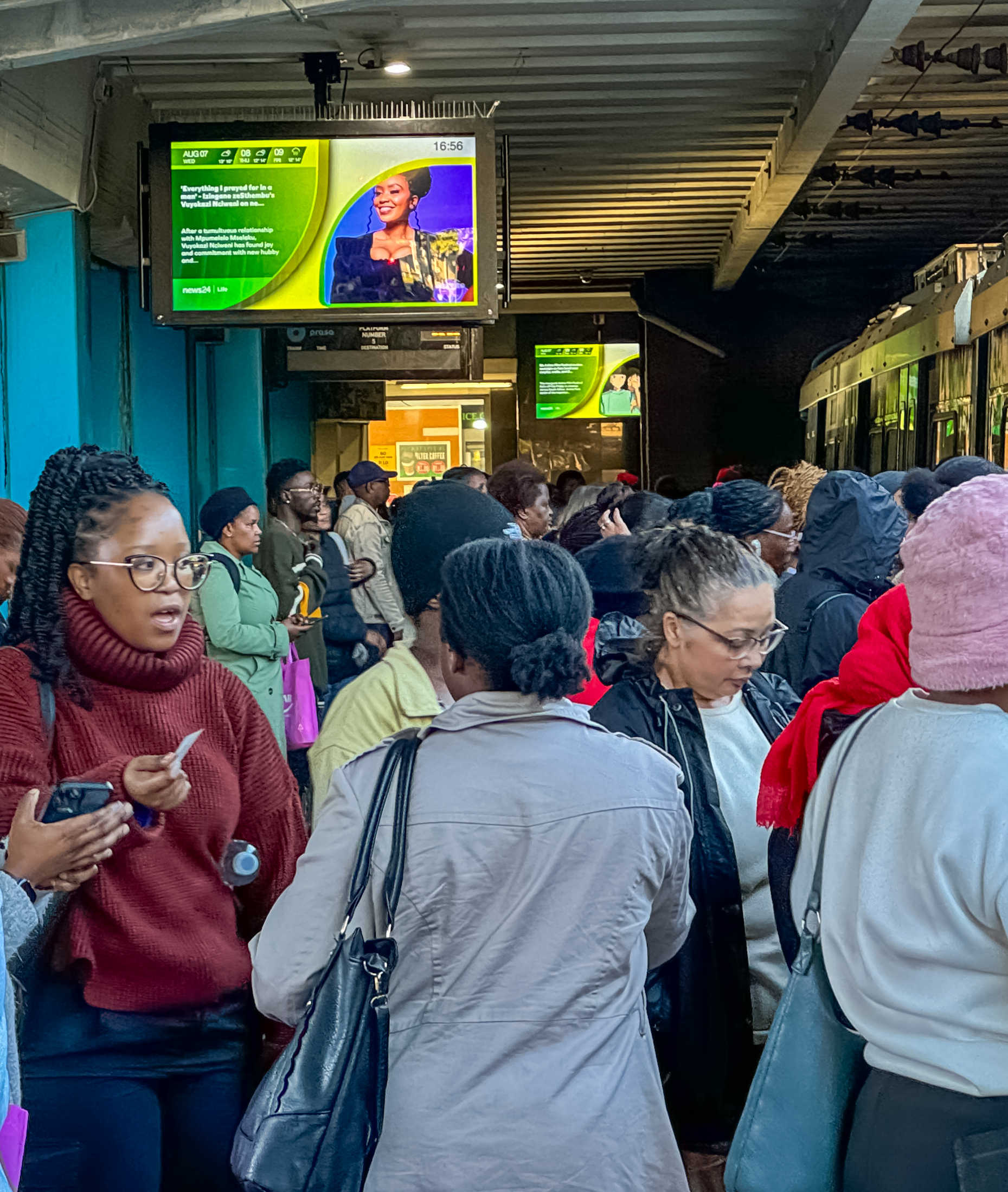
The evolution of audience measurement has shifted digital Out-of-Home from an awareness-focused medium into a measurable performance channel. Verified VACs should routinely be incorporated into integrated media plans, allowing agencies to compare performance directly with other media channels and optimise campaigns in flight. Planning and programmatic tools ingest these datasets, enabling more confident media buying and clearer return-on-investment analysis.
The industry conversation has moved beyond whether digital environments can be measured to how measurement can actively drive performance, prediction and smarter strategic planning. The competitive advantage now lies with media owners and agencies who integrate verified audience data into planning and trading frameworks. Measurement is no longer optional hygiene; it is a strategic differentiator.
For it to be credible, comparable and commercially meaningful, it requires collective adoption across the ecosystem. No single media owner can build a trusted standard alone. Broader industry participation and stronger media partnerships are essential to ensure consistency, transparency and shared accountability. That collective commitment is what ultimately turns measurement into momentum.
Du Preez adds: “The real value of audience measurement only emerges over time. With more than two years of trended data, we can now move beyond reporting into prediction where we understand seasonality, dwell patterns and context in a way that directly informs creative and timing. For advertisers, that means more control and confidence that they are reaching real audiences in moments that matter.”
The shift underway is not simply technical; it is behavioural. As agencies move from buying spots on loops to buying verified impressions, and as advertisers demand clearer attribution across channels, DPBNs are entering a new phase of commercial maturity. Measurement has moved from validation to enablement, and from isolated reporting to integrated planning. The question is no longer whether DPBN can be measured, but whether the market is ready to shift from exposure to evidence.