
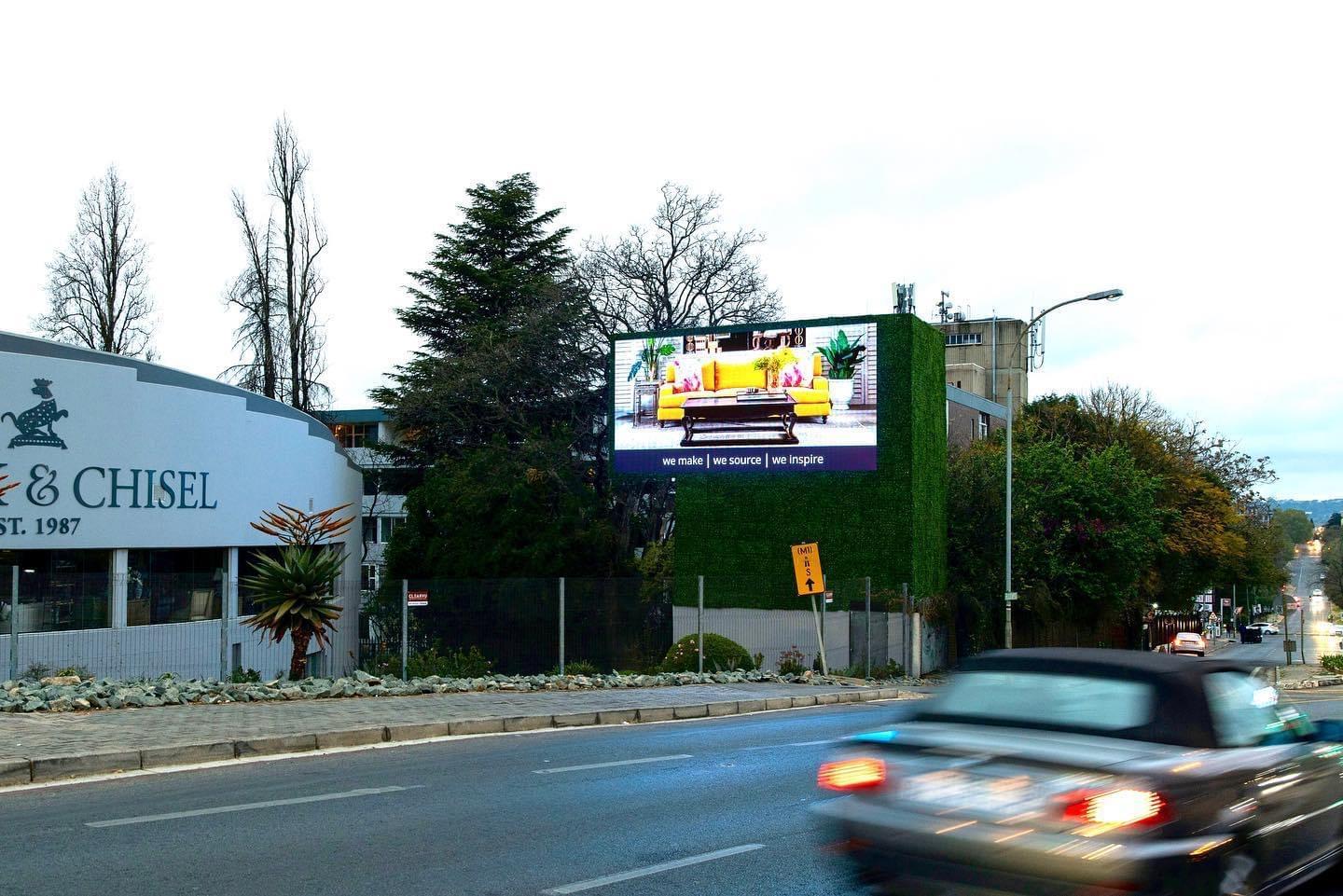
The Digital Out-of-Home (DOOH) medium in South Africa is a category that is growing rapidly. The hyperlocality and rapidly adaptable nature of this medium means that agencies and clients have a “shiny new toy” to play with in the OOH space. And it is not just in South Africa but globally. Following a challenging couple of years during the pandemic, DOOH advertising is back on track and projected to generate an astonishing $14 billion globally in 2024. With more digital inventory than ever before, many sites are now selling out all their slots, and the “tills are ringing”. So things are going well for OOH media owners, thanks to this newfound windfall.
But for how long? At some point, the curve will flatten. And what then? Most media owners are going all in with capital investments in Digital OOH. They are investing in getting the latest tech and ensuring that there is a regular power supply to all the boards in a world where a consistent power supply is not guaranteed. So we see media owners investing hundreds of millions of rands in the latest infrastructure, screens, and generators—but how much are they investing in themselves? The people. The human beings behind the screens.
DOOH is in a very interesting and exciting place. I do believe that it has the potential to truly grow and compete in exciting ways with platforms like digital and television. But if the salesman and media owner behind the screen are still old school “billboard cowboys”, you won’t ever truly unearth your full potential.
I would argue that the biggest investment (after infrastructure) for most OOH companies needs to be in people and data. With the decline in television ratings, print circulations, and click-through rates, DOOH is ideally poised to steal share from these giants. But how many of today’s sales reps can truly make a case to a television media planner that they can offer more competitive Cost Per Views on their platform? Now is the time for DOOH salespeople to actively start targeting other platforms like television and print.
But so much of their efforts are still focused on moving money away from DOOH Media owner 1 to DOOH Media owner 2. They are not fighting to grow the pie but fighting for their slice of it. It is a missed opportunity. I really think there is merit in DOOH strengthening their value and proposition to start giving the likes of Google, Facebook, and the major broadcasters a bloody nose—but they need skilled people to do this. Bonny the Billboard Rep, who sold static sites for 20 years based on location, location, location, needs to be revitalized and re-engineered to sit with digital strategists in agencies and move money from YouTube to DOOH.
I don’t think this is happening. The change needs to happen across the entire ecosystem. When choosing a good site, do the teams consider what data they could gather from consumers passing by? Are the managers thinking of how they could enrich campaign performance through investing in third-party data? I am not saying no—but I certainly have not seen this at all.
So my encouragement to DOOH media owners: Go out there and firmly grasp what is happening in the digital media world. Invite some folks from Google to your office and talk to them about how you can collaborate. Employ some people who have never worked in OOH and see what new, fresh perspectives they might bring to your business.
Digital OOH is more akin to television and digital than it is to classic OOH. Therefore, start acting like broadcasters and digital platforms. That will ensure that the tills keep ringing for many more years to come.